On paper, piping systems always look clean. Straight runs, neat layouts, perfect alignment. But step onto an actual plant floor, and things are very different. Space is getting tighter, temperature is fluctuating more than expected, and there's vibration from equipment that never really stops. That's why piping design is more than just drawing pipe systems; it's actually about considering how those pipe systems will behave once they're in use, especially when components like supports, expansion elements, and even metallic bellows come into play to handle real-world movement
A system in a real industrial environment is under continuous stress. Fluids are in motion, temperature is changing, equipment is moving (vibrating), and the actual materials are reacting to all of this.
So, when a system is designed, and if the design doesn't take any of those things into account, problems don't happen right away, but rather develop slowly over time. Pressure losses, misalignment, fatigue at joints, it all starts with design decisions.
This is where Piping Engineering & Design becomes critical. It connects theory with reality and ensures that systems don’t just function, but continue functioning over time.
Piping Engineering & Design refers to the engineering design of piping systems used to convey liquids and gases between two or more locations throughout a facility. Piping design encompasses several aspects of engineering, including selecting pipe sizes or routes, selecting the appropriate material for pipes and fittings, conducting pressure analyses, considering thermal applications, and integrating piping designs with associated equipment.
A qualified piping designer must also consider all aspects of the design process beyond the actual drawings that are produced. They think about how the system will behave during startup, shutdown, and continuous operation.
In practice, Piping Engineering ensures:
Without planning, even a simple system can’t be managed properly.
Learn More: Importance of Metal Hoses in Industrial Piping Systems
Good Industrial piping design always comes back to a few fundamentals.
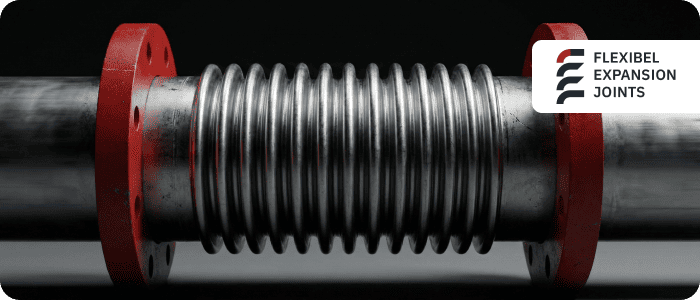
First — flexibility. Pipes expand and contract. If that movement is restricted, stress builds quickly.This is where engineered elements such as metallic expansion joints, rubber expansion joints and metallic bellows become essential, allowing controlled movement without transferring stress across the system.
Second — durability. Materials must handle pressure, temperature, and environmental exposure.
Third — accessibility. Systems require upkeep/maintenance; therefore, if you are unable to access the system, then you will not have the ability to remedy any problems associated with the system.
Additionally, engineers involved in the Design of Industrial Piping Systems Specialization must also utilize these principles in all aspects of engineering, especially in industries where safety is an important factor and downtime is costly.
A piping design engineer doesn’t just design; they anticipate.
They look at layouts and ask:
Collaboration between mechanical, structural, and process design is crucial for plant operation. Good teamwork results in a productive system, whereas inadequate teamwork will create an unreliable system that will continually require intervention to keep it functioning properly. Your experience is also critical.
While having the proper standards is essential to piping design, they only provide guidance; actual system performance in the field is directly related to your experience with piping design and understanding of the concept of piping design.
Read More: Ultimate Guide to Flexible Pipe Connectors
A proper Piping Layout defines how efficiently the system operates.
It’s not just about routing, it’s about:
Poor layout decisions often don’t fail immediately. They show up later as inefficiencies, pressure drops, or difficult maintenance conditions.
You can design the best piping system, but without proper Piping Supports, it won’t hold up.
Supports manage:
Incorrect support placement leads to sagging, misalignment, and long-term stress. In many systems, support issues are the root cause of failures, not the pipe itself.
Meeting Technical requirements in piping design is non-negotiable.
These include:
In systems exposed to high temperature and pressure variations, components such as expansion joints and metallic bellows must also be selected carefully to ensure they can withstand continuous operational stress without failure.
Ignoring these leads to inefficiencies or safety risks. A system might work initially but fail under continuous operation.
The Design of Industrial Piping Systems Specialization works in extreme environments, high pressure, high temperature, and corrosive media.
Industries like oil & gas and chemical processing require specialized design approaches. Standard solutions don’t always work here. Every system needs to be evaluated based on its operating conditions.
Piping Design in the Chemical Industry
In Piping design in the chemical industry, material compatibility is critical. Corrosion, chemical reactions, and safety risks must all be considered. A wrong material choice can lead to system failure.
Piping Design in the Pharmaceutical Industry
In Piping design in the pharmaceutical industry, hygiene is the priority. Systems must allow easy cleaning and prevent contamination. Even small design flaws can affect product quality.
A system is only as good as its execution.
Even with strong design, poor installation can create long-term issues. That’s why
Alignment, support placement, and connection integrity all depend on how well installation follows the design intent.
Even experienced engineers deal with challenges.
Common ones include:
In systems exposed to high temperature and pressure variations, components such as expansion joints and metallic bellows must also be selected carefully to ensure they can withstand continuous operational stress without failure.
These challenges don’t always have perfect solutions. They require practical adjustments during the Piping Engineering phase.
Safety is built into Piping Engineering & Design.
Systems must comply with industry standards to ensure safe operation. These standards define acceptable pressure limits, material usage, and testing requirements.
Compliance isn’t just about regulations; it’s about preventing failure before it happens.
Recent technological advances in piping design have changed how systems are developed.
3D modeling tools allow engineers to visualize layouts before installation. Simulation software helps predict stress points and flow behavior.
This reduces errors and improves efficiency, especially in complex industrial projects.
The future of Industrial piping design is moving toward smarter systems.
We’re seeing:
These advancements are helping engineers design systems that are more efficient, reliable, and easier to maintain.
Though piping systems might initially seem simple, they are in reality complicated and constantly changing systems due to influences such as pressure, temperature, and movement.
So for piping design, it’s not as though you joined pipes together. You designed the system for the conditions to which it will be subjected, including how components like supports, expansion joints, and metallic bellows will handle long-term operational stress
An effective and well-designed piping system will operate without any interruptions or noise. Conversely, an ineffective and poorly designed piping system will require continuous repair.
This is especially important in industrial piping systems.