In modern piping, movement can’t be avoided. Temperature changes, vibration from rotating, pressure changes, and structural shifts create tension in pipelines.
These forces can lead to leaks, failures, and early equipment damage without proper flexibility. This is where a flexible connection becomes a must.
A flexible connection is specially designed to allow controlled movement between two rigid sections of piping. Instead of forcing the pipeline to absorb stress, the connector flexes and completes the motion. Whether used in HVAC systems, marine pipelines, or heavy industrial plants, flexible connections help maintain structural integrity and operational stability.
In industrial environments where reliability matters, parts like a flexible pipe connector or flexible connection pipe are not just accessories. They are guards that protect both piping and connected equipment from long-term mechanical use.
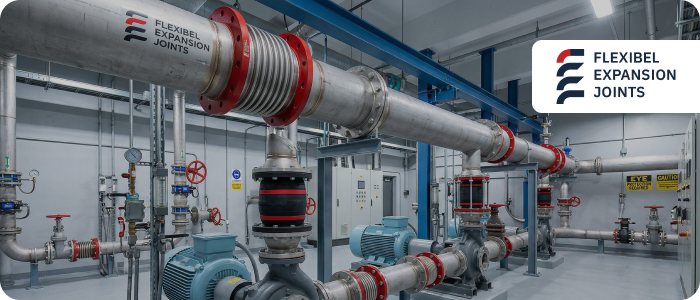
After looking at the competition in the global engineering market, it’s worth noting that manufacturers like Flexibel engineer flexible connection solutions specifically for demanding environments, where pressure, vibration, and thermal expansion are controlled without compromising durability.
A flexible connection absorbs movement other than directly transferring it into rigid piping. When pumps start, compressors vibrate, or temperature rises, the connector flexes instead of allowing stress to go down the system.
This flexibility helps separate the equipment from vibration, expanding and contracting. Instead of forcing alignment, a flexible connector allows a controlled range of motion, making sure the system remains stable even under dynamic operating conditions.
Flexible connections are manufactured using different materials depending on requirements. Rubber-based connectors are common in highly vibrating systems, while stainless steel is everyone’s choice for high-temperature or high-pressure environments.
Elastomers such as EPDM and neoprene offer excellent humidity, whereas the metal provides strength and durability. Fabric designs are also used where the movement range is large, but the pressure remains low.
A flexible connector has bellows or an elastic body, end fittings, reinforcement layers, and sometimes braided covers. In flanged flexible connectors, metal flanges ease installation and sealing.
Read More: Ultimate Guide to Flexible Pipe Connectors
The design gives movement flexibility while maintaining pressure. Proper construction stops wear and tear, leakage, and material degradation.
Flexible connections are used by a wide range of industries. In HVAC systems, they reduce noise and absorb vibration. They are used for movement across structures caused by waves in marine and offshore installations
Flex connectors for piping protect pumps, compressors, and turbines. Flexible connectors manage thermal expansion and alignment variations in chemical processing.
Learn More: What Are Rubber Expansion Joints? Types, Applications & Benefits
Correct installation is as important as selection. Expand accurately during fitting, align properly, and use recommended torque values for flange connections. Installing a connector without adequate support can reduce lifespan.
Timely inspection and proper fixing maintain performance and prevent damage.
Flexible connectors follow industry standards to check pressure, temperature, and durability. Certifications make sure that the connector is safe under specified conditions.
Working with reliable manufacturers and purchasing from a trusted flexible connector flange type supplier UAE follows compliance with regional and global quality benchmarks.

Flexible connections protect modern piping systems from vibration, thermal expansion, and pressures. The right flexible connection improves system dependence and durability.
The selection of a connector depends on application specifications and job site conditions; therefore, rubber/fabric connectors and reinforced metal assemblies can be used as long as the connector has been designed to meet the requirements of the installation site and for the type of application. Flexible connectors are needed in designing tough and high-performing piping systems because manufacturers like Flexibel have developed high quality engineered products through years of expertise.